

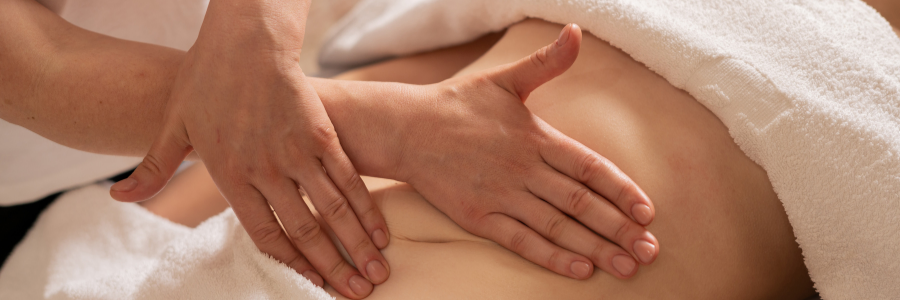
Lymphatic Drainage Massage performed on a post-op mommy makeover patient
Returning to movement after cosmetic surgery is one of the most misunderstood parts of the healing process. As a licensed massage therapist and MLD therapist who works extensively with post-operative clients, I often see uncertainty around when recovery truly ends — and when it’s actually safe to move forward.
The transition from post-op recovery to fitness isn’t about pushing through discomfort or following a rigid timeline. It’s about understanding what your body has already been through, how it heals, and how early recovery choices affect your ability to return to activity safely.
Recovery Is a Process, Not a Finish Line
It’s common to think that once swelling goes down or incisions close, recovery is complete. In reality, the body continues healing internally long after visible signs improve. Fluid regulation, tissue remodeling, and nervous system responses can continue for weeks or even months following cosmetic surgery.
How well these systems are supported early in recovery plays a significant role in how stable and comfortable the transition back to movement feels later on.
The Lymphatic System’s Role in Post-Op Healing
After cosmetic surgery, the lymphatic system takes on a significant workload. It is responsible for moving excess fluid, supporting immune response, and helping the body manage inflammation caused by surgical trauma.
When the lymphatic system becomes overwhelmed, swelling can linger, tissues may feel dense or tight, and early movement can feel uncomfortable. This is why post-operative lymphatic drainage massage is commonly introduced early in recovery, once cleared by the surgeon.
Why Early Lymphatic Drainage Massage Matters
In my clinical work, I’ve seen how early lymphatic support can influence the entire recovery timeline. When lymphatic drainage massage is introduced during the early post-op phase, it may help:
Reduce post-surgical swelling more efficiently
Support healthier tissue healing
Improve comfort during early movement
Decrease prolonged fluid congestion
Addressing swelling early doesn’t rush healing. It supports the body’s natural process and helps reduce unnecessary setbacks later.
Intentional Movement vs. Returning to Fitness
Movement during recovery is not the same as returning to exercise.
Intentional movement supports circulation and mobility.
Fitness routines are designed to challenge strength, endurance, and performance.
Returning to structured exercise too soon — or without surgeon clearance — can increase swelling or discomfort. Surgeon guidance should always take priority when determining when and how to resume activity.
How Early Recovery Affects the Transition Phase
By the time someone begins transitioning back into fitness, the body should no longer be managing acute surgical swelling. Clients who received appropriate early post-op support often experience:
More stable responses to increased movement
Less swelling fluctuation with activity
Improved comfort as fitness is gradually reintroduced
When early recovery support is lacking, the transition phase can feel unpredictable or frustrating. This is why the first weeks after surgery matter.
What a Safe Return to Fitness Really Looks Like
Every recovery is different, but a safe return to fitness generally follows a gradual progression and always includes surgeon guidance:
Immediate recovery: gentle movement only
Active recovery: swelling management and mobility support
Fitness preparation: low-impact strength and movement
Structured fitness: progressive exercise after surgeon clearance
Listening to your body and your surgeon helps reduce risk and supports a safer return to activity.
About Monica Skalsky, LMT
I’m a licensed massage therapist (CAMTC #33056) and owner of Wrthit, with over three decades of experience in clinical and therapeutic bodywork, with a focused specialty in post-operative lymphatic drainage for cosmetic surgery recovery.
My background includes formal massage education and experience teaching massage therapy at National Holistic Institute and American Career College. I’ve spent years working hands-on with clients through injury recovery, chronic pain, and post-surgical healing.
I own and operate multiple wellness-focused businesses, including Balanced Pro Massage, Peaches by Wrthit, and Massage Business Academy. My work is grounded in education-based, patient-centered care — not shortcuts or rigid timelines.
Post-Operative Lymphatic Support with Wrthit
For clients seeking professional post-operative lymphatic drainage massage during cosmetic surgery recovery, Wrthit provides education-based lymphatic care focused on swelling management, tissue health, and supporting the body’s natural healing process.
This care is designed to support recovery — not rush it — and to help clients feel more comfortable as their bodies heal.
Serving Post-Op Clients in the Inland Empire and Orange County
If you’re recovering from a mommy makeover, liposuction, tummy tuck, Brazilian Butt Lift (BBL), or other cosmetic surgery, and you’re located in the Inland Empire or Orange County, Wrthit therapists provides mobile post-operative lymphatic drainage massage in the following cities:
Closing Thoughts
A successful return to fitness after cosmetic surgery doesn’t start in the gym — it starts during early recovery. Supporting the body while swelling is at its peak helps create a smoother, more comfortable transition later.
Recovery isn’t about rushing forward. It’s about building a foundation that allows you to move forward confidently and safely.