

Post-Op Lymphatic Massage by Recovery Stage: What Your Therapist Is Assessing as You Heal
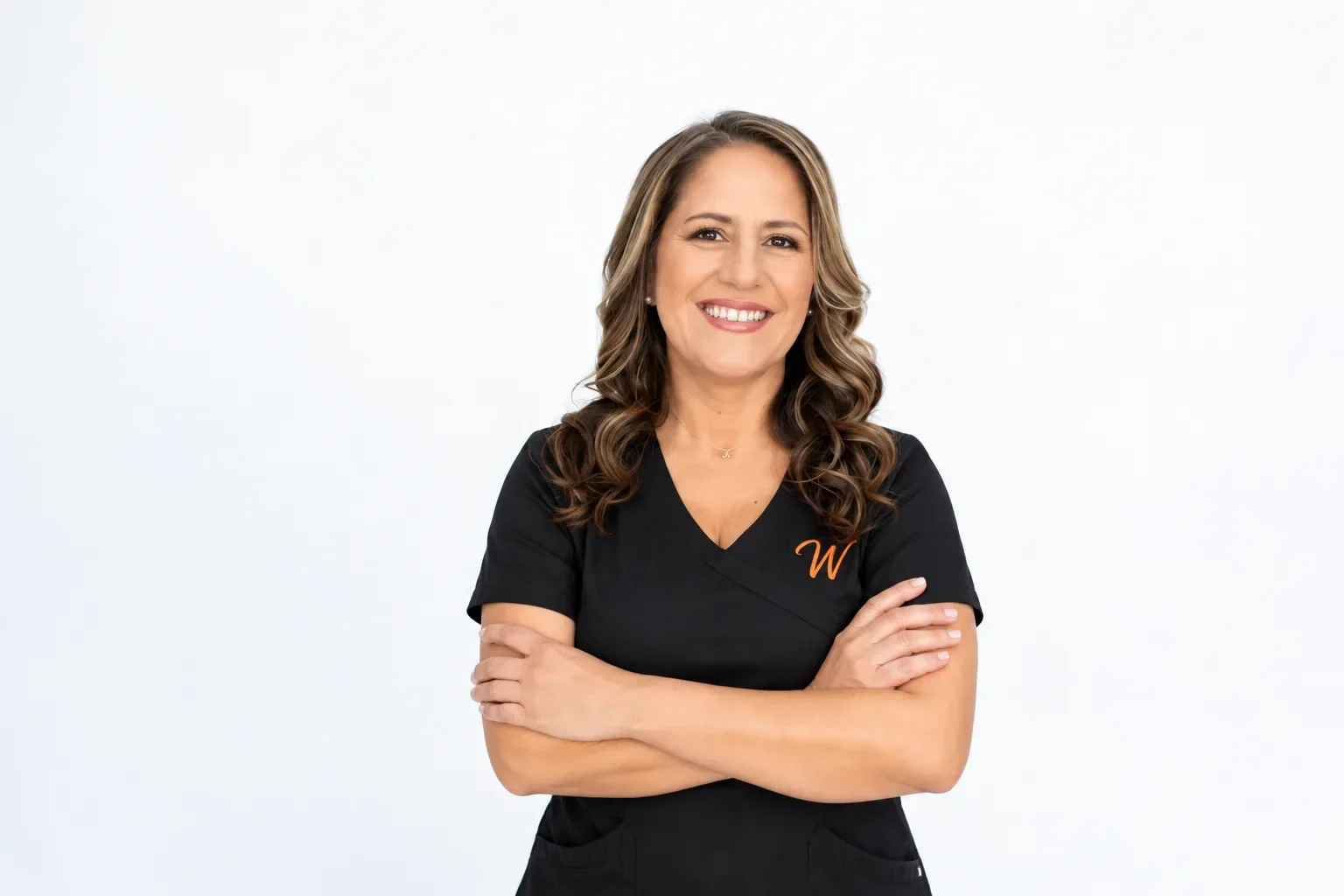
Monica Skalsky, Founder of Wrthit and The Wrthit Way™ for post-op lymphatic massage
Post-operative recovery isn't static. The swelling, tenderness and tissue changes you experience during the first week after surgery may look very different several weeks later.
Your post-op lymphatic drainage massage shouldn't necessarily remain exactly the same either.
An experienced post-operative lymphatic therapist isn't simply performing the same routine at every appointment. Your therapist should be paying attention to how your body is responding, how your swelling is changing and where you are in the healing process.
This is one reason choosing a therapist with specific education in lymphatic drainage massage after cosmetic surgery matters.
Your Body Changes Throughout Post-Op Recovery
After procedures such as liposuction, a tummy tuck, BBL, mommy makeover or other cosmetic surgery, swelling is an expected part of the healing process.
Surgery creates trauma to the tissue, and postoperative swelling occurs as fluid accumulates within the tissues during the body's response to that trauma. The lymphatic system normally helps maintain fluid balance by collecting excess fluid from tissues and returning it to the bloodstream. When the normal movement of fluid is disrupted after surgery, swelling can become part of the recovery process. Source: Cleveland Clinic — Lymphatic System: Function, Conditions & Disorders
But recovery isn't identical from one person to another.
The amount and location of swelling can change. Tissue may feel different as healing progresses. Certain areas may become more comfortable while others remain swollen or firm. The body is continually processing fluid and repairing tissue beneath the surface, even when the visible signs of surgery are beginning to improve.
That means post-surgery lymphatic drainage massage should be approached according to the person in front of the therapist—not simply according to the procedure listed on their intake form.
What Is a Post-Op Lymphatic Therapist Actually Assessing?
Clients sometimes assume that a lymphatic therapist is simply trying to "move the swelling."
There is more observation involved.
During a post-op lymphatic massage session, a trained therapist may pay attention to factors such as:
Where swelling appears to be concentrated
Changes in swelling since previous sessions
Tissue texture and firmness
Areas of sensitivity or tenderness
How the tissue responds to gentle manual techniques
Differences between areas of the body
Changes occurring as recovery progresses
The client's comfort and tolerance during the session
These observations help the therapist understand how the client's recovery is changing from one session to the next.
They also matter because the lymphatic system doesn't work like a simple drain that needs to be "emptied." It is a network of vessels and lymph nodes involved in collecting and transporting lymphatic fluid throughout the body. Manual lymphatic drainage is a gentle manual technique that works with the body's superficial lymphatic system. The technique uses light, rhythmic movements rather than the deeper pressure commonly associated with traditional massage. Source: Cleveland Clinic — Lymphatic Drainage Massage
Just as importantly, a responsible therapist understands the limits of massage therapy.
Post-operative lymphatic therapists do not diagnose surgical complications or replace your surgeon. When something appears outside the expected scope of massage therapy, your surgeon or medical provider should be the person evaluating it.
The Early Stage of Recovery
During the early days following cosmetic surgery, the body may be dealing with significant swelling, inflammation, tenderness and surgical trauma.
Fluid may be more noticeable in certain areas, and the tissue can be particularly sensitive. The lymphatic system is working while the body simultaneously begins the complex process of tissue repair.
This is not the time for an aggressive massage.
Manual lymphatic drainage after liposuction or cosmetic surgery uses gentle techniques intended to support lymphatic movement without unnecessarily stressing healing tissue.
At Wrthit, comfort matters. Post-op lymphatic drainage should not depend on the idea that a treatment must hurt in order to work.
During this stage, your therapist may be especially attentive to swelling patterns, sensitivity and how your body responds to gentle treatment. The goal isn't to force the body to recover faster. It is to work appropriately with a body that is already actively healing.
Your surgeon's instructions always come first, including guidance about when you are cleared to begin post-operative massage.
As Swelling Begins to Change
Recovery doesn't suddenly end when the initial swelling improves.
As the weeks progress, the body continues changing.
Some of the more obvious swelling may begin to decrease while other areas remain puffy or feel different. Gravity, activity, compression garments, the location of the surgical procedure and individual healing patterns can all influence where swelling is noticed.
Tissue that initially felt very soft may begin feeling different. One part of the body may progress faster than another. Areas that seemed similar immediately after surgery may no longer feel the same several weeks later.
This is where individualized lymphatic massage during post-op recovery becomes particularly important.
Rather than automatically repeating the exact same session, the therapist can observe what has changed since the previous appointment and adjust the session appropriately within their scope of practice.
The question becomes less about:
"What massage do we perform after this surgery?"
and more about:
"What does this person's body need at this stage of recovery?"
Tissue Changes Are Part of What Your Therapist Is Watching
Swelling isn't the only thing that can change during post-operative recovery.
As inflammation decreases and tissue continues healing, the texture of the treated areas may change as well. Some areas may gradually soften, while others can temporarily feel firmer or less uniform. These changes can occur as the body moves through the normal phases of tissue repair. During healing, collagen is produced and reorganized as damaged tissue is repaired and remodeled. This process continues beyond the earliest stage of recovery, which is one reason tissue can feel different from one stage of healing to another. National Library of Medicine — Physiology, Wound Healing
This is one reason experienced post-op therapists don't evaluate recovery based solely on how swollen someone looks.
What the therapist feels beneath their hands can provide additional information about how the tissue has changed since the previous session.
That doesn't mean every firm area is fibrosis, nor should a massage therapist attempt to diagnose it.
Instead, changes in tissue texture are another part of the overall picture a trained therapist observes while determining what techniques are appropriate for that particular session.
This distinction matters because aggressively treating every firm area as though it needs to be "broken up" can overlook the fact that the body is still healing.
Post-operative care should respect that process.
Later Recovery Requires Attention Too
Some clients are surprised to learn that swelling and tissue changes can continue well beyond the first few weeks after surgery.
Even when bruising has faded and a client has returned to many normal activities, the body may still be healing beneath the surface. The American Society of Plastic Surgeons notes that after liposuction, swelling continues to improve at six weeks and beyond, and it may take several months for swelling to fully dissipate.
Later-stage recovery may therefore present differently from early recovery, which is another reason a one-size-fits-all approach to post-operative lymphatic drainage doesn't make sense.
At this point, the therapist may be observing areas where swelling persists, changes in tissue texture or areas that aren't progressing at the same rate as the rest of the body.
The focus of a session may evolve as well. What required attention during the first few appointments may no longer be the primary concern several weeks later.
This doesn't mean every irregularity represents a problem.
It means the therapist should continue paying attention.
The body you bring into your tenth appointment may not be the same body your therapist worked with during your first.
Your care should recognize that.
Why Experience and Post-Op Training Matter
Manual lymphatic drainage is a specialized technique. Post-surgical recovery adds another layer of consideration.
A therapist working with cosmetic-surgery clients needs to understand not only lymphatic techniques, but also how to work appropriately around healing tissue, recognize changing stages of recovery and remain within the professional scope of massage therapy.
They also need to understand when not to become more aggressive simply because the client is further along in recovery.
This is why choosing a trained post-op lymphatic drainage massage therapist is different from simply booking a general massage.
At Wrthit, our therapists work within The Wrthit Way™, an individualized approach to post-operative lymphatic care developed by founder Monica Skalsky.
The goal isn't to put every client through an identical protocol.
It's to provide thoughtful care based on the person, the procedure and the stage of recovery.
The Wrthit Way™: Individualized Post-Op Care
Wrthit's approach to lymphatic drainage massage after plastic surgery was developed from Monica's decades of hands-on bodywork experience and advanced education in lymphatic and post-operative care.
Wrthit therapists provide post-op lymphatic care using this approach while adapting sessions to each client's recovery.
Monica also maintains a limited private schedule through Founder Sessions for post-operative clients who prefer to work directly with her throughout their recovery.
Founder Sessions offer Monica's direct hands-on care and highly individualized attention while following the same principle at the center of Wrthit:
Your recovery should guide your care.
Not a predetermined routine.
What Should You Tell Your Lymphatic Therapist?
Communication helps your therapist understand what has changed between appointments.
Before your session, let your therapist know about changes such as increased or decreased swelling, new areas of tenderness, changes you've noticed in the tissue and any new instructions you've received from your surgeon.
You should also mention significant changes that occurred after your previous session. The information you provide, combined with what the therapist observes, helps create a clearer picture of how your recovery is progressing.
And if your surgeon has changed your post-operative instructions, tell your therapist.
Your surgeon and massage therapist have different roles in your recovery, and good post-operative care respects those boundaries.
Mobile Post-Op Lymphatic Drainage in Southern California
Wrthit provides mobile post-op lymphatic drainage massage throughout Temecula Valley, Murrieta, Menifee, Wildomar, Lake Elsinore, Fallbrook, Riverside and select areas of Orange County, including Laguna Niguel, Laguna Beach, Newport Beach and San Juan Capistrano.
Clients may receive individualized post-operative care from a Wrthit therapist, while Monica Skalsky's limited Founder Sessions are currently available in Temecula Valley and Orange County for clients who prefer to work directly with Wrthit's founder throughout their recovery.
Post-Op Lymphatic Massage Isn't About Doing More—It's About Paying Attention
A successful post-operative lymphatic session shouldn't be measured by how much pressure was used or how aggressive the treatment felt.
It should begin with observation.
Where are you in your recovery?
What has changed since your previous session?
How is your body responding?
What is appropriate today that may not have been appropriate two weeks ago?
Those questions are part of what separates individualized post-op lymphatic drainage massage from a routine massage appointment.
Because your body doesn't recover according to a script.
And your post-operative care shouldn't either.