

Protecting Your Cosmetic Surgery Results: The Risk of Uncertified Wound Drain Care
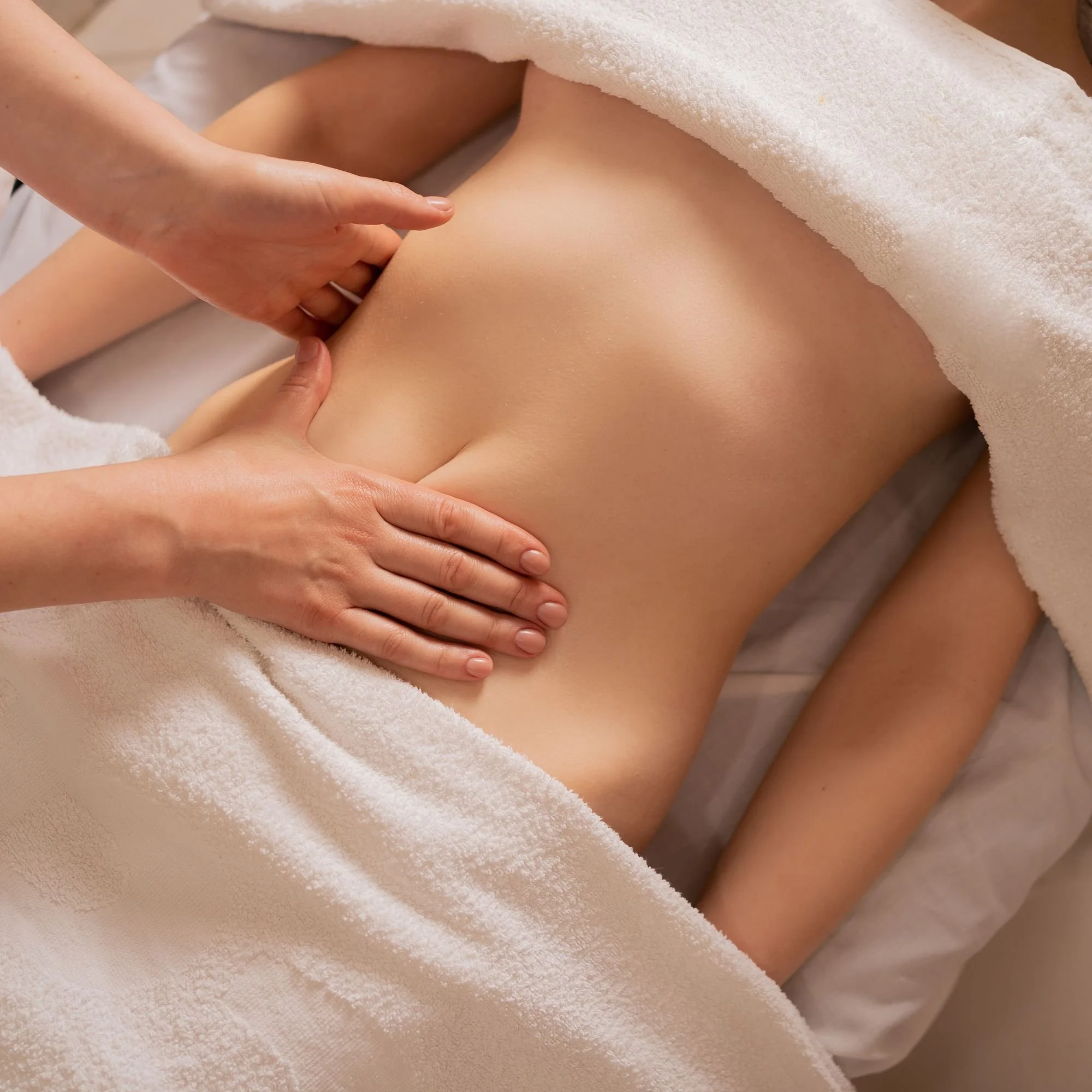
Lymphatic Drainage Massage (MLD) helps a post-op client in Temecula, CA heal faster
After surgery, your body is in a highly vulnerable healing phase. Your lymphatic system, immune system, and soft tissues are all working together to manage swelling, inflammation, and fluid buildup. This is why post-operative care is so important — and why it’s concerning that some individuals are offering wound drain cleaning by non-certified providers. Wound drains are not a wellness service or an add-on. They are an extension of a surgical site, and improper handling can introduce bacteria, increase infection risk, and delay recovery.
Many clients don’t realize that post-surgical drain care requires specific training and certification. Without proper education, sterile protocols, and a clear understanding of surgical boundaries, a provider may unintentionally cause harm. This is not about intent — it’s about qualifications. When someone offers drain care without being properly certified, the risk is shifted onto the client, often without their full understanding.
Experience, Education, and Ethical Post-Surgical Care
My name is Monica Skalsky, and I am a Certified Massage Therapist (CMT), MLD-C (Manual Lymphatic Drainage – Certified) practitioner, and a licensed massage therapist in California (CAMTC #33056). I began my massage career in 1995 and have over 30 years of experience working in clinical, therapeutic, and recovery-focused settings. In addition to hands-on practice, I have taught massage therapy at National Holistic Institute and American Career College, with a strong emphasis on ethics, scope of practice, and client safety.
I am the owner of Wrthit and Balanced Pro Massage, the creator of Peaches by Wrthit. I also help massage therapists start or expand their businesses at Massage Business Academy. Across all of my businesses, my standards are consistent: stay within professional certification, respect surgical boundaries, and protect the client’s healing process. I do not offer wound drain cleaning or manipulation. My work focuses exclusively on certified lymphatic drainage massage after surgery, education, and ethical post-operative support.
About Wrthit Lymphatic Massage
Wrthit was created to provide certified lymphatic drainage massage for post-surgical recovery — and only services that fall within proper training and scope of practice. Wrthit supports the body’s natural healing process by helping reduce post-operative swelling, improve lymphatic flow, and promote comfort during recovery, while always maintaining clear professional boundaries.
Wrthit therapists serve clients throughout Southern California, including:
Clients seeking post-surgical lymphatic drainage massage from a certified therapist can expect transparent communication, proper credentials, and care that prioritizes safety over shortcuts.
Frequently Asked Questions
Can a massage therapist clean or manage my surgical wound drains?
In most cases, no. Wound drain care requires specific training and certification and should never be assumed to be part of massage or post-op recovery services unless clearly documented and legally permitted.
How is lymphatic drainage massage different from wound drain care?
Certified lymphatic drainage massage after surgery works externally to support fluid movement and swelling reduction. Wound drain care involves direct interaction with surgical sites and carries a higher risk if performed improperly.
Why should I verify certifications before booking post-op care?
Certification ensures that a provider understands sterile technique, scope of practice, and when to refer back to a surgeon. If a provider cannot clearly explain their credentials, that is a red flag.
A Final Word for Women in Recovery
Whether you are scheduling cosmetic surgery or navigating the early stages of recovery, your body deserves informed, ethical care. Wound drains should never be managed by someone without proper certification and training. Take the time to verify credentials, ask direct questions, and choose providers who respect both your healing process and their professional scope of practice. Thoughtful decisions now can protect your health, your results, and your long-term recovery.