

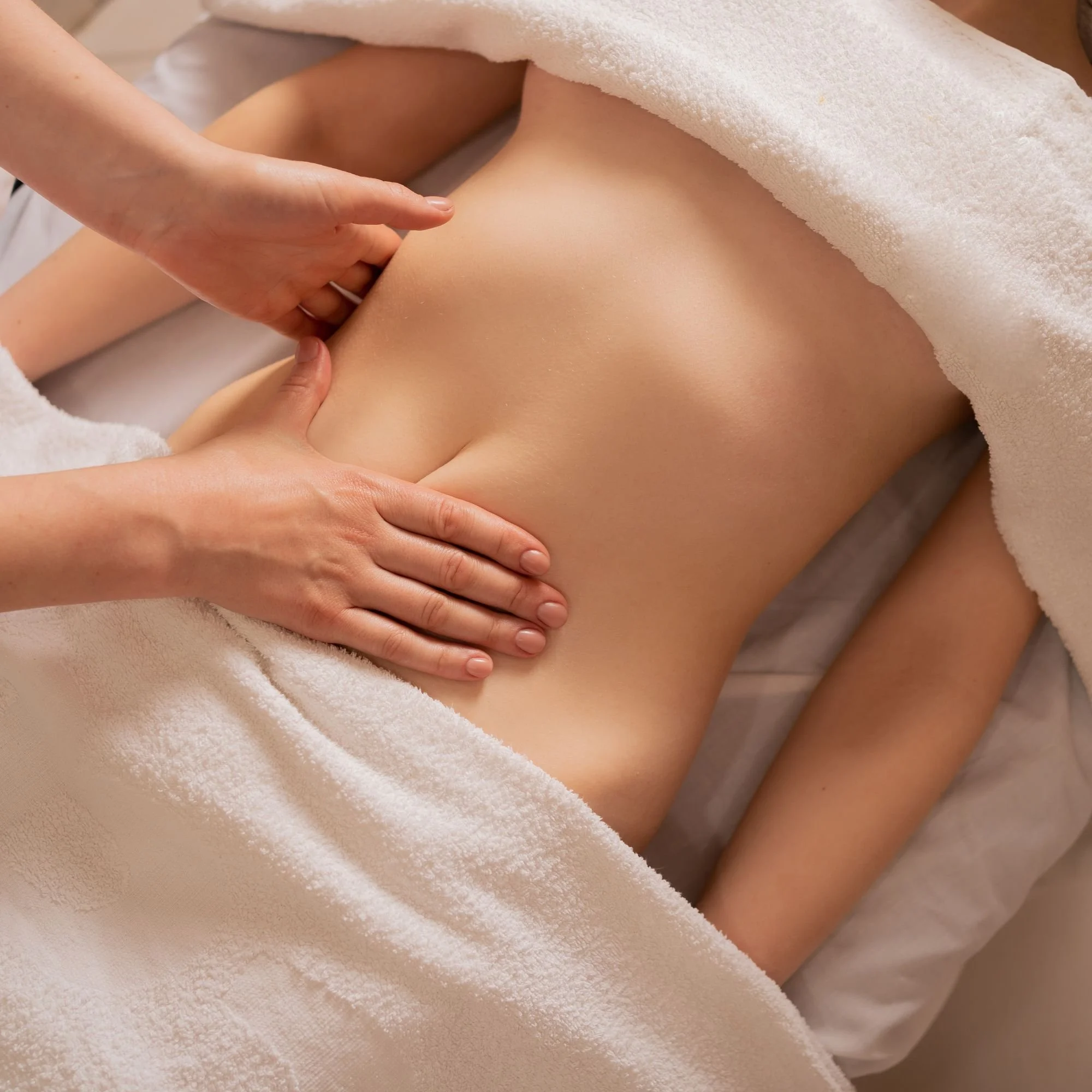
Lymphatic Drainage Massage therapist, MLD-C, providing therapy to a post-op client to prevent fibrosis
Healing after cosmetic surgery is not just about time — it is about how the body is supported while it heals. One of the most common concerns I see during recovery is fibrosis. Many people feel worried when they notice firmness or changes in their tissue, but fibrosis is often part of the body’s natural healing process. With the right understanding and support, the body can often be guided toward smoother, more comfortable healing.
My goal is always to help you understand what your body is doing — and how to care for it while you recover.
What Is Fibrosis?
Fibrosis is the formation of firm, thickened connective tissue that can develop as the body heals after surgery. During recovery, your body produces collagen to repair and strengthen tissue. When healing flows smoothly, tissue remains soft and flexible. When fluid buildup, inflammation, or restricted circulation interfere with recovery, tissue may begin to feel dense or tight — this is fibrosis.
Fibrosis does not mean something is wrong. It is simply a signal that your body may need additional support while healing.
Why Fibrosis Can Develop After Surgery
After cosmetic surgery, your body is managing swelling, fluid movement, inflammation, and tissue repair all at once. When these systems slow or become overwhelmed, tissue may begin to organize unevenly instead of softening naturally.
Factors that may contribute include:
Persistent swelling
Fluid trapped beneath the skin
Reduced lymphatic circulation
Tissue compression or restriction
Inflammation during healing
Delayed recovery support
When fluid cannot move efficiently, tissue can become congested and begin to firm.
Signs Your Body May Be Developing Fibrosis
Fibrosis often begins subtly. Many clients first notice small changes rather than discomfort.
You may notice:
Firm or hardened areas beneath the skin
Tightness or reduced tissue mobility
Slight lumpiness or uneven texture
Tenderness in certain areas
Swelling that lingers longer than expected
Not every firm area is fibrosis, but understanding your body helps you respond early and gently.
Can Fibrosis Be Prevented?
In many cases, fibrosis can be minimized when the body receives the right support during recovery. Prevention is not about forcing change — it is about helping the body do what it is naturally designed to do: move fluid, restore balance, and heal.
Supportive recovery focuses on:
Encouraging fluid movement
Supporting lymphatic circulation
Reducing inflammation
Maintaining gentle tissue mobility
Beginning recovery support at the appropriate time
When the body is supported early and consistently, tissue is more likely to heal smoothly and comfortably.
The Role of the Lymphatic System in Healing
The lymphatic system plays an essential role in post-surgical recovery. It helps move excess fluid, reduce swelling, and support tissue repair. When fluid remains trapped, tissue can become congested, which may contribute to fibrosis.
Gentle lymphatic drainage massage is designed to support this natural process. By encouraging fluid movement and reducing congestion, it helps the body heal with less tension, less restriction, and better tissue balance.
Many clients notice that when fluid begins to move properly, tissue often feels softer and more comfortable over time.
Supporting Tissue When Fibrosis Begins
If fibrosis begins to form, the focus shifts toward gently guiding the body back toward balance. Healing tissue responds best to patience, consistency, and proper support — not force.
During this stage, recovery may involve:
Encouraging fluid movement from congested areas
Supporting circulation within healing tissue
Helping tissue gradually soften
Reducing tightness and restriction
Allowing the body to reorganize naturally
Every recovery is unique, and healing is always a process — not a race.
Understanding the Fibrosis Timeline
Healing evolves over time, and fibrosis may change throughout recovery.
Weeks 1–3
Fluid movement and swelling management are most important.
Weeks 3–8
Tissue may begin to firm. This is when fibrosis can begin forming.
Months 2–4
As healing continues, tissue often begins to soften and reorganize.
With proper support, many people notice steady improvement over time.
Monica Skalsky — Supporting Healing Through Experience
For over 30 years, my work as a licensed massage therapist has centered around helping people heal, recover, and feel supported in their bodies. I am a licensed massage therapist (CAMTC #33056) and MLD-C with a background in clinical therapy, sports massage, and lymphatic therapy, and I have spent many years guiding clients through post-surgical recovery with a focus on safe, supportive healing.
Over the past several years, a major focus of my work has been post-operative recovery — supporting clients after cosmetic procedures as they navigate swelling, fluid retention, tissue sensitivity, and the emotional side of healing. In recovery, small details matter: timing, gentleness, consistency, and understanding what the body is doing day by day.
In addition to working with clients, I have taught and mentored future massage therapists at the National Holistic Institute and American Career College, where I shared both clinical knowledge and hands-on experience. Teaching deepened my understanding of the body and strengthened my belief that healing requires both skill and compassion.
I am the founder of Wrthit Lymphatic Massage, Balanced Pro Massage, Peaches by Wrthit, and the Massage Business Academy, where I continue to support both clients and therapists through recovery, education, and growth. My approach has always been rooted in clinical understanding, experience, and genuine care for the body’s healing process.
Supporting Clients Across Southern California
Wrthit provides post-surgical lymphatic recovery support across multiple communities, helping clients heal safely and comfortably in their own environment.
Cities Served
and surrounding cities
Frequently Asked Questions
Is fibrosis permanent?
Fibrosis is often temporary and may soften as healing progresses, especially when the body receives supportive recovery care.
When does fibrosis usually begin?
Fibrosis commonly develops between weeks 3 and 6, though healing varies for each person.
Can fibrosis improve over time?
Yes. With proper support, many people notice tissue becoming softer and more comfortable as healing continues.
Healing With Patience and Support
Fibrosis is a natural part of healing for many people, but it does not mean something is wrong. The body is always working to repair, restore, and rebalance. With awareness, gentle support, and respect for the healing process, recovery can continue to improve over time.
Healing is about supporting your body, listening to it, and allowing it the care it needs.